.svg)
Planning-led solutions that remove guesswork from hazardous cargo movements.
.svg)

.jpg)

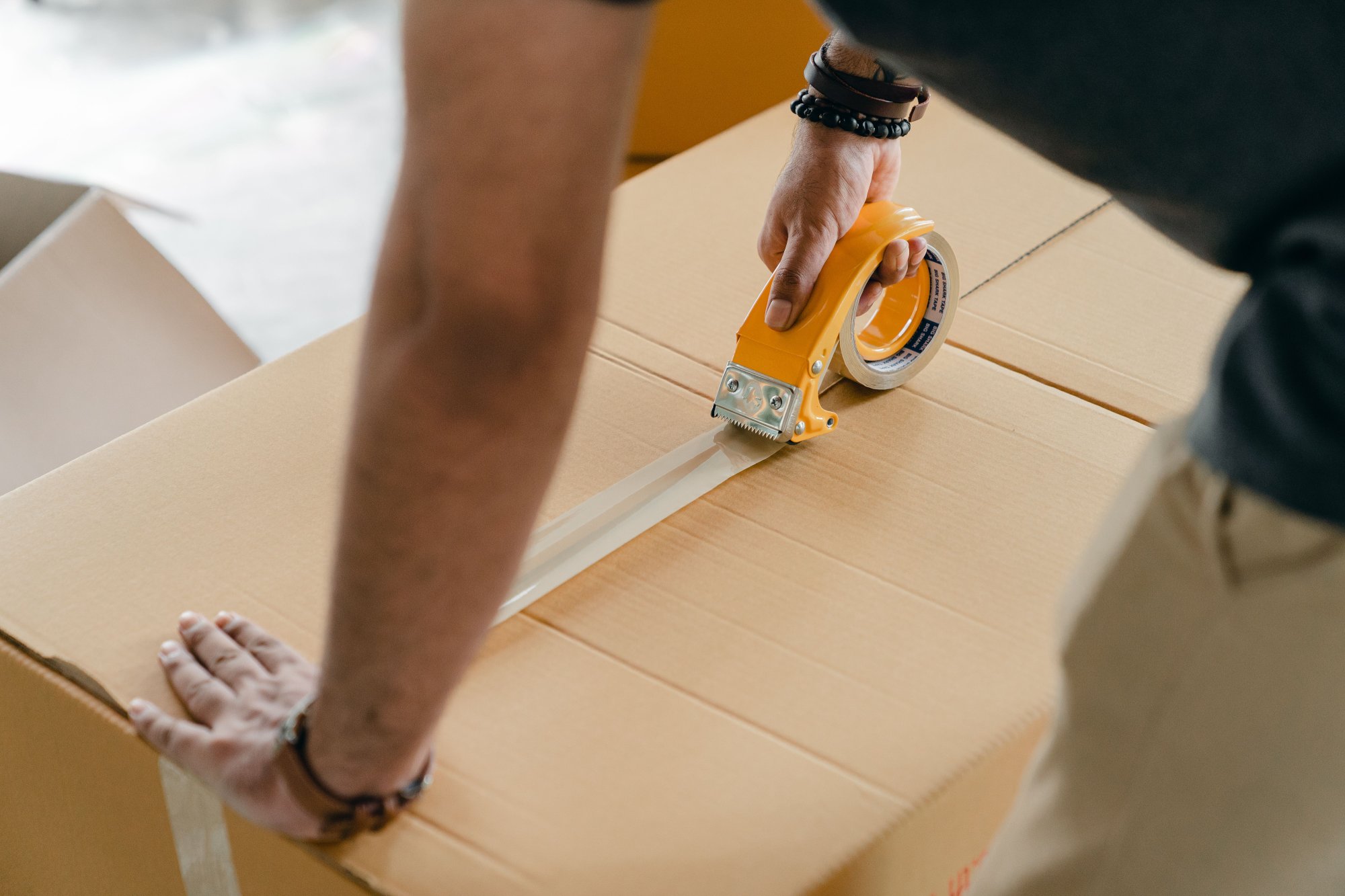

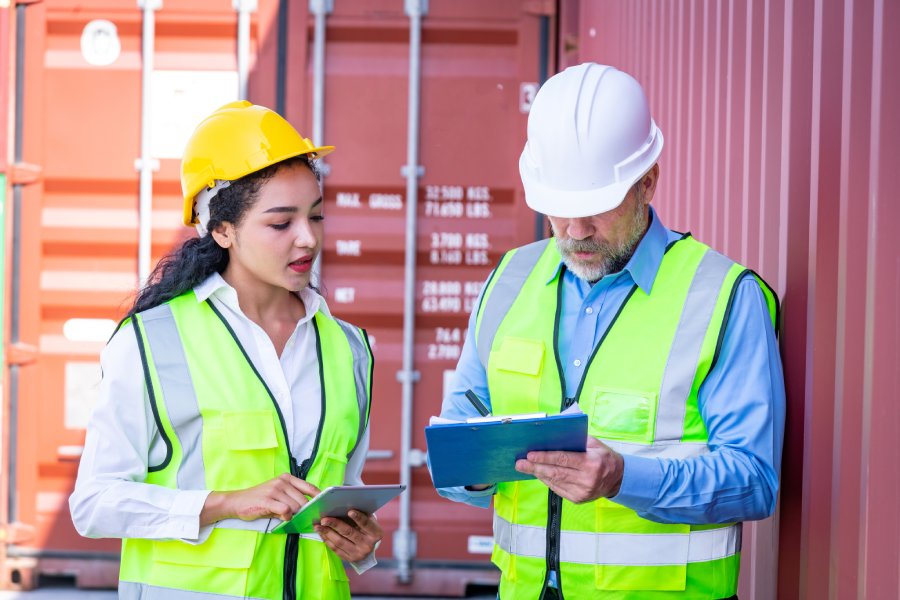
Designed for cargo where safety, accuracy, and accountability are non-negotiable.
Air and ocean freight is coordinated only for dangerous goods categories permitted under carrier and regulatory frameworks. Routing and mode selection are driven by DG acceptance rules, not convenience or speed.


Customs clearance is handled for eligible DG cargo where classification, documentation, and packaging are fully compliant. Filings are prepared with accuracy and transparency to withstand scrutiny and avoid misdeclaration risks.

SDS/MSDS, DG declarations, and supporting documents are reviewed for alignment with cargo classification and regulatory requirements. Movements proceed only when documentation is complete and unambiguous.

Packaging and labelling requirements are reviewed to ensure they meet DG regulations and carrier standards. Cargo is accepted only where packaging integrity and marking are compliant.

Coordination is carried out with DG-accepting carriers, terminals, and custodians to confirm feasibility, handling readiness, and acceptance conditions before movement.

Routing and timelines are planned with additional buffers to account for heightened scrutiny, approvals, or inspections commonly associated with DG cargo.

.svg)
A seasoned team providing clarity, control, and predictable execution for every diplomatic movement.

Dangerous goods are handled only when documentation, classification, packaging, and regulatory requirements are complete and correct. If a shipment does not meet standards, we would rather decline it than move it unsafely.


Misdeclaration is not an option with DG cargo. Classifications, SDS/MSDS, labels, and declarations are prepared with precision to reflect the true nature of the goods—without re-description or workarounds.
.svg)
DG logistics is as much about protecting people and infrastructure as it is about moving cargo. Every decision is made with safety, liability, and long-term risk in mind.

Movements are planned around what carriers, terminals, and authorities will formally accept. Convenience never overrides DG acceptance rules or safety frameworks.

Handling is coordinated only through partners who are equipped, trained, and experienced in managing dangerous goods, ensuring consistent standards across every handover.
.svg)
Through structured planning and realistic timelines, we reduce surprises at customs, terminals, and carrier interfaces—keeping DG movements controlled from start to finish.
Dangerous goods are handled only when documentation, classification, packaging, and regulatory requirements are complete and correct. If a shipment does not meet standards, we would rather decline it than move it unsafely.

Misdeclaration is not an option with DG cargo. Classifications, SDS/MSDS, labels, and declarations are prepared with precision to reflect the true nature of the goods—without re-description or workarounds.
DG logistics is as much about protecting people and infrastructure as it is about moving cargo. Every decision is made with safety, liability, and long-term risk in mind.
Movements are planned around what carriers, terminals, and authorities will formally accept. Convenience never overrides DG acceptance rules or safety frameworks.
Handling is coordinated only through partners who are equipped, trained, and experienced in managing dangerous goods, ensuring consistent standards across every handover.
Through structured planning and realistic timelines, we reduce surprises at customs, terminals, and carrier interfaces—keeping DG movements controlled from start to finish.
Experiences that reflect our commitment to precision and reliability.


I just wanted to thank you for the quite special high standard of professionalism, & the personal kindness, you showed my daughter & I during our stay in India while engaged in work for I.C.M. Films. We returned to London without further problems. She is now back at boarding school & I am hard at work on my statue of de Gaulle which is to be unveiled by the Queen Mother, in the centre of London. We have very happy memories of your guiding kindness for which we were very grateful.
Sculptor

Once again, thank you for making a smooth entry and exit possible for the Postcards from Tibet crew and equipment. We shot wonderful footage in India and are now starting the post-production phase. We look forward to the possibility of shooting again in India and hope to work with you. Thank you again.
Producer - Lioness Films

It is with great pleasure and pleasing note we would like to reciprocate our appreciation for your valuable contribution to the making of a commercial “West Myth”. It will be not in any way an exaggeration to say that your high standard of skill in professional service and clear high standing with the Customs and other services involved in the matter of clearance is the key to our success in making the film. Thanking you for your excellent services for which we remain ever grateful.
Cinematographer - Nitrate Films Ltd.


We wished to let you know how much we appreciated your contribution to the making of Rudyard Kipling’s “The Jungle Book” in India. Shipping can always be troublesome but your professional service and clear high standing with the custom services made it possible for us to achieve the remarkable feat of clearing 46 tons of equipment in just two days! Your hard work and commitment has been very appreciated and we are happy to say that we would highly recommend your company to anyone considering working in India. Thank you both for your excellent services and friendship.
Producer - The Jungle Book

As I am now leaving the BBC, I thought I would drop you a line to wish you well for the future. I am grateful to you for all your efforts on behalf of the Eastern Service. You have helped us to keep in touch with our listeners – and have done so with dispatch and economy. I have also enjoyed our many meetings on my visits to Delhi and the hospitality and kindness which you have always shown me. With best wishes for the future.
Former Editor - BBC South Asian Services


The remarkable man at the BBC Delhi office, known to us as Bali Sahib, was a customs clearing agent who, in my time, would ride his scooter to the airport at any hour and in any weather — even to clear a single radio cassette bound for London. It was an essential service, delivered with dedication by a man we deeply admired.
British Journalist and Bureau Chief - BBC New Delhi

Over the years, we’ve brought some of our most complex international films to India, including Mission Impossible: Ghost Protocol, Slumdog Millionaire, Holy Smoke, and many others. Through shifting plans, evolving customs requirements, and demanding schedules, Bali And Company has been the one constant we’ve relied on. Their expertise, strong on-ground relationships, and ability to keep equipment moving smoothly have made a real difference. What truly sets them apart is their commitment. They treat every project as their own and stay involved until the very end. We can recommend Bali And Company without hesitation — they’ve earned our trust through years of consistent, thoughtful work.
Founder - India Take One Production


Across projects such as Viceroy’s House, Bride and Prejudice and Beecham House, filming across multiple regions in India with complex logistics and tight schedules, Bali And Company has been has been a consistently reliable partner. From handling period equipment and large-scale shipments to navigating permissions at heritage locations, they brought clarity and discipline to every stage. Beyond technical competence, they understand what delays mean to a production and how critical clear communication is when filming far from home. Their support has been central to how smoothly our India shoots have run.
Producer - IMDb


Productions like The Amazing Race demand flawless logistics, with equipment and crews moving between cities overnight and no margin for error. Bali And Company has handled this pressure with calm precision season after season, anticipating challenges and ensuring everything is in place before it’s needed.Across other sensitive and fast-paced projects as well, they’ve shown consistency, discretion, and reliability. It’s rare to find a logistics partner who can keep pace with the unpredictability of television, and that is why we’ve continued working with Bali And Company for many years.
Director - Earthcare Productions

Delve into concrete examples of our work, illustrating effective strategies and the impactful results produced.
You’ll get an email once a month. We’ll never share it.
.svg)


You’ll get an email once a month. We’ll never share it.
You’ll get an email once a month. We’ll never share it.
You’ll get an email once a month. We’ll never share it.
.svg)
.svg)
.svg)
.svg)


Bali And Company Logistics private Limited 2026 | All rights reserved.
You’ll get an email once a month. We’ll never share it.
Bali And Company Logistics private Limited 2026 | All rights reserved.