
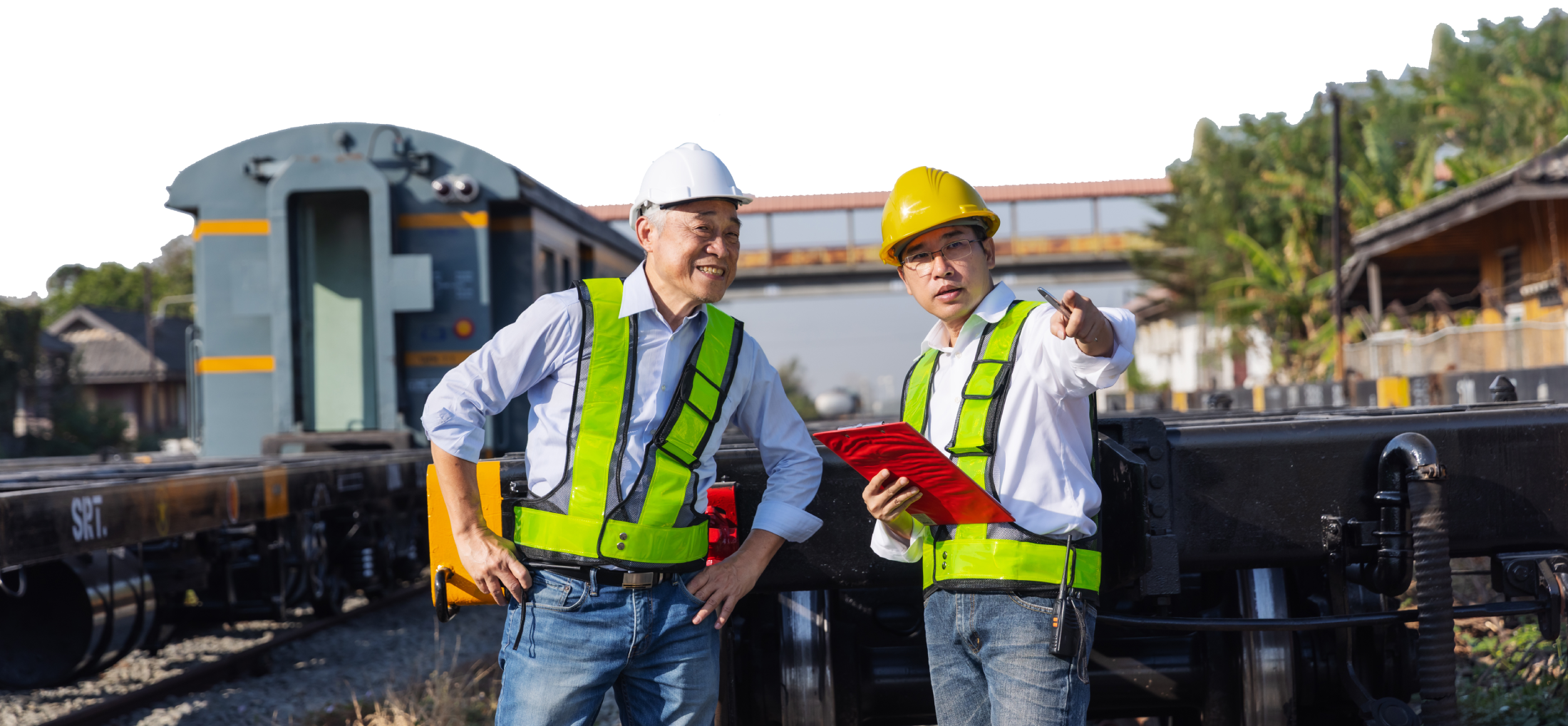

Customs brokerage is the core of what we do; managing compliance, documentation, and coordination to move your cargo through Indian customs smoothly and correctly.
As licensed Customs Brokers, we review every document, verify classification and valuation, calculate duties accurately, and file your entries across major ports, airports, and ICDs.
Our team brings deep, on-ground experience across regulated, high-value, and time-critical cargo, ensuring your shipments clear without avoidable delays, penalties, or surprises.
From pre-arrival checks to final release, every step is handled with the precision and consistency your business depends on.
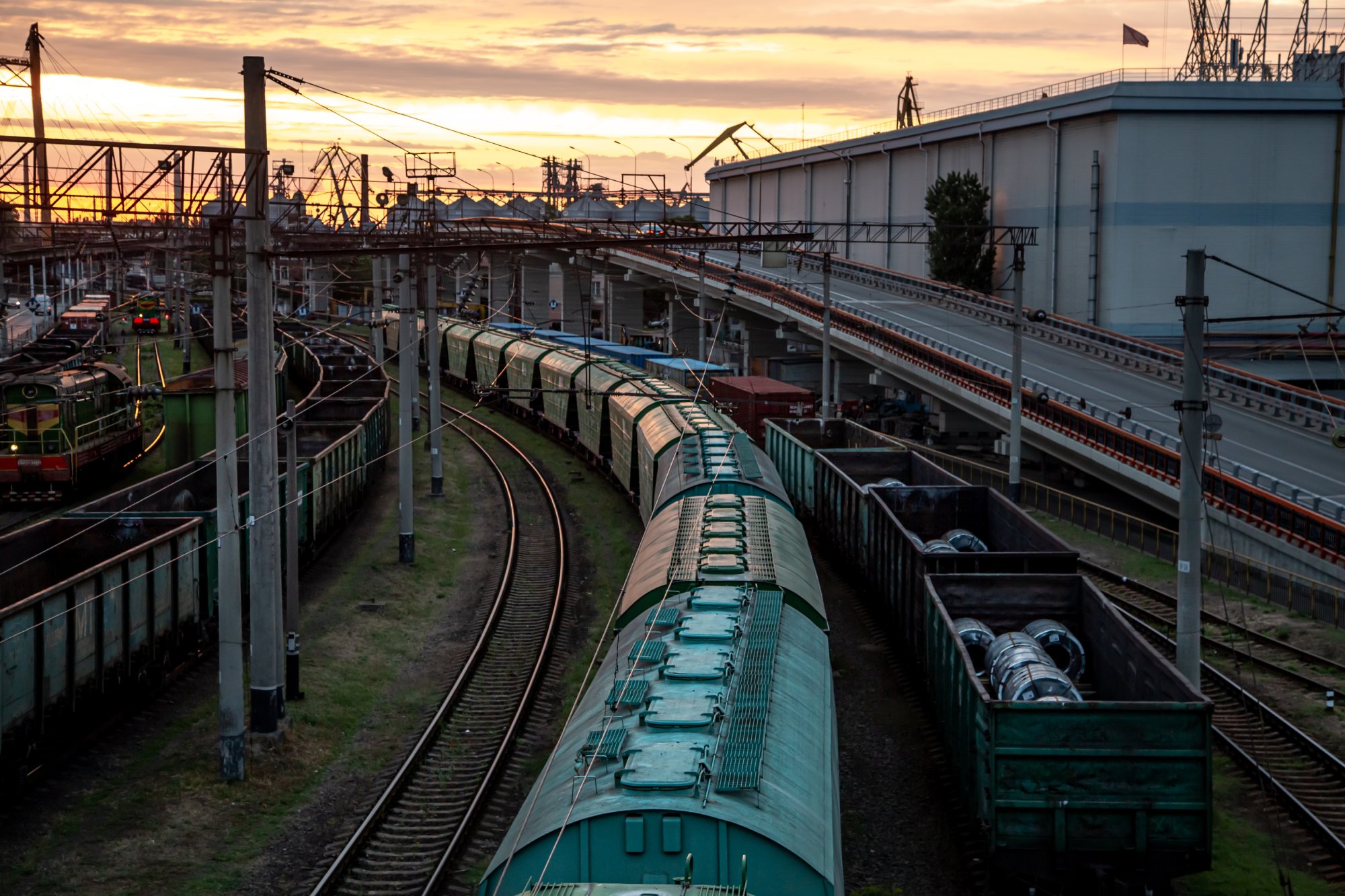
Moving containers inland requires consistency across ports, ICDs, rail corridors, and last-mile routes. Our multimodal service brings rail and road together under one coordinated plan, helping your cargo move with fewer delays, lower cost, and stronger operational control.
Rail provides the long-haul backbone for port–ICD movement, especially on high-volume corridors where trucking slows down or becomes uneconomical. Through coordination with CONCOR and private operators, containers are placed on the right rakes to reduce idle time and keep movement predictable.
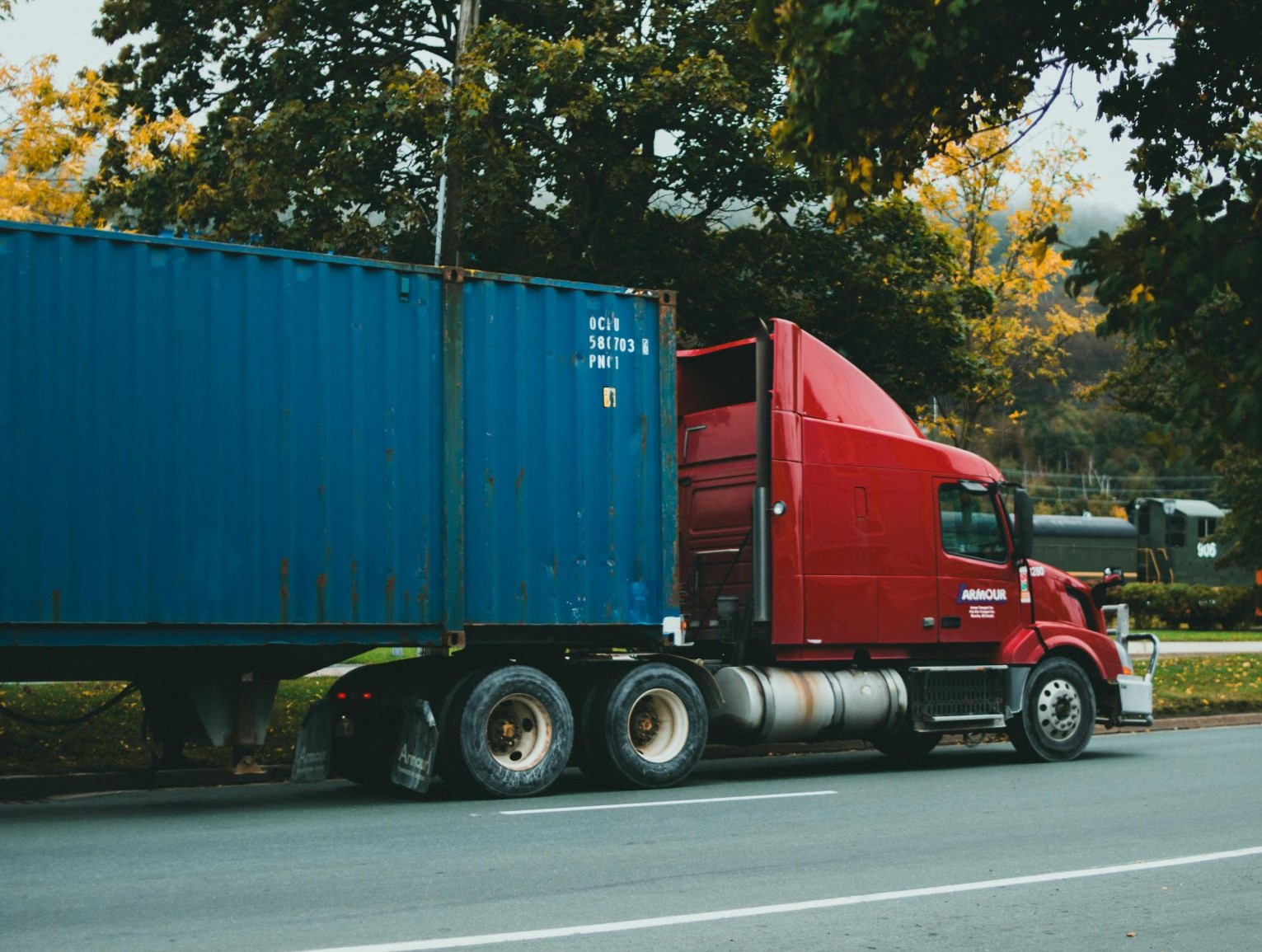
Road transport strengthens the first and last miles with timely gate-ins, factory pickups, cut-off compliance, and disciplined vehicle routing supported by reliable transporter partnerships and on-ground familiarity with port and ICD norms.
Both legs connect seamlessly with customs processes, ensuring documentation, filing, assessment, and physical movement progress without gaps. The result is a stable inland system that supports your EXIM cycle with clarity, consistency, and reduced operational stress.

.svg)

.jpg)




.svg)

Strong understanding of how ports, ICDs, terminals, and rail corridors operate, allowing inland movement to be planned with precision across every touchpoint.


Rail schedules, rake planning, road placement, and customs timing are aligned under one plan, reducing fragmentation and keeping cargo movement consistent.

Close coordination with CONCOR and private operators ensures containers are placed on the right rakes, minimising idle time at ports and ICDs.

Long-term relationships with vetted transporters support disciplined vehicle placement, correct truck selection, and timely gate-ins and deliveries.

From port evacuation to rail movement, ICD handling, and final-road delivery, each stage is managed as a single, controlled movement.

Rail and road timings are coordinated with customs filing, assessments, and examinations, preventing delays caused by mismatched processes.
A focus on avoiding idle containers by planning around terminal windows, rail schedules, and transport readiness helps keep dwell times low.

Clear updates on routing, timelines, exceptions, and responsibilities reduce operational stress and allow teams to plan with confidence.
Strong understanding of how ports, ICDs, terminals, and rail corridors operate, allowing inland movement to be planned with precision across every touchpoint.

Rail schedules, rake planning, road placement, and customs timing are aligned under one plan, reducing fragmentation and keeping cargo movement consistent.
Close coordination with CONCOR and private operators ensures containers are placed on the right rakes, minimising idle time at ports and ICDs.
Long-term relationships with vetted transporters support disciplined vehicle placement, correct truck selection, and timely gate-ins and deliveries.
From port evacuation to rail movement, ICD handling, and final-road delivery, each stage is managed as a single, controlled movement.
Rail and road timings are coordinated with customs filing, assessments, and examinations, preventing delays caused by mismatched processes.
A focus on avoiding idle containers by planning around terminal windows, rail schedules, and transport readiness helps keep dwell times low.
Clear updates on routing, timelines, exceptions, and responsibilities reduce operational stress and allow teams to plan with confidence.

Containerised loads moving regularly between ports and ICDs, benefiting from predictable rail schedules and coordinated last-mile road support

Parts, components, and machinery that require stable inland routing, supported by disciplined rake planning and reliable vehicle placement.

High-volume shipments needing steady transit times, with controlled pickups, deliveries, and customs-aligned inland movement

Sensitive cargo suited to rail’s safer long-haul movement, paired with tightly managed first-mile and final-mile execution.
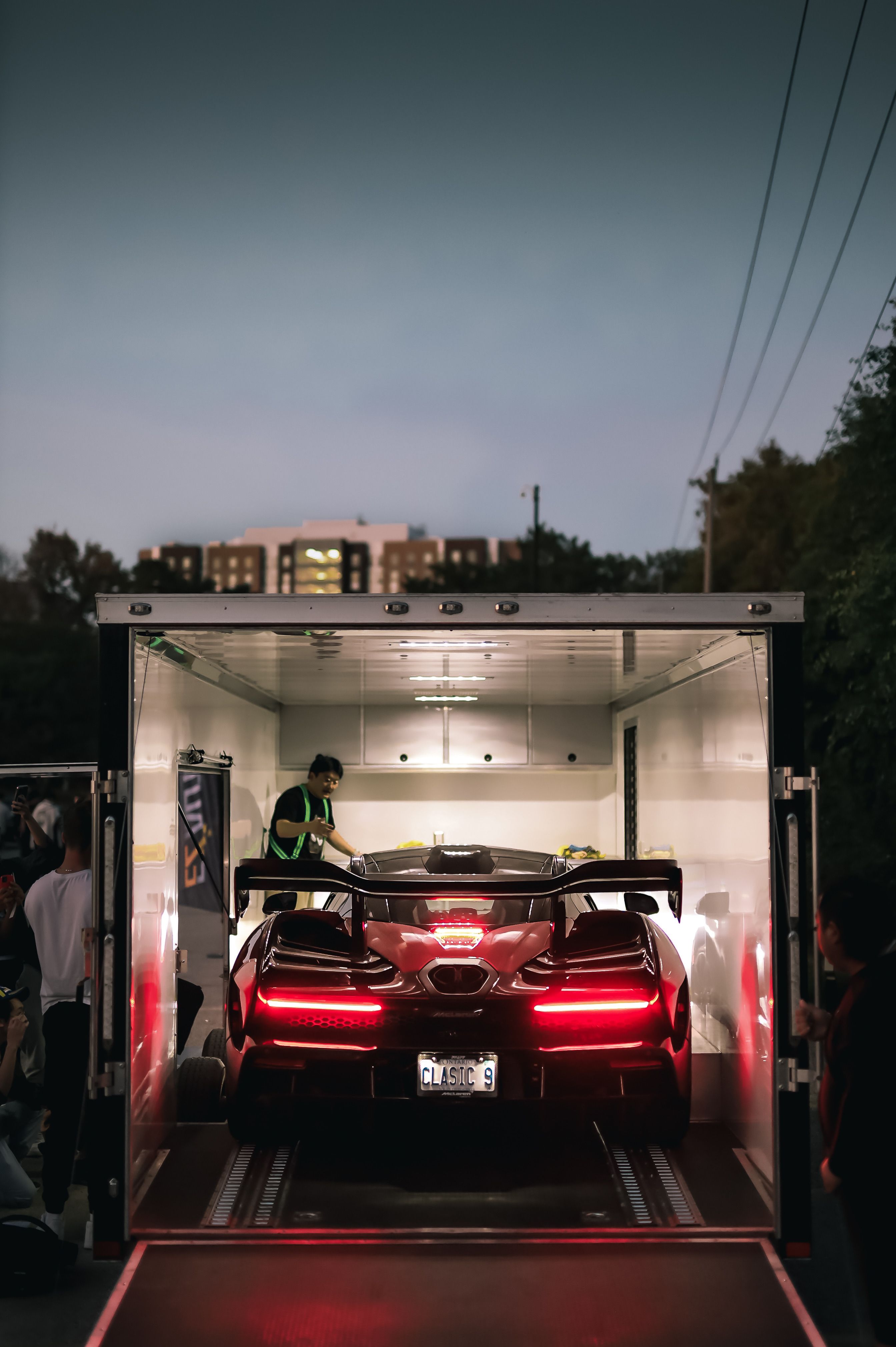
Shipments that benefit from reduced handling and fewer road disruptions, supported by multimodal routing that protects cargo integrity.

Businesses moving containers into Delhi NCR and similar hubs, where rail routes offer faster port–ICD linkage than long-haul trucking.

Factories requiring dependable pickups, gate-ins, and rail placement, ensuring containers meet cut-offs for planned vessel or rake schedules.
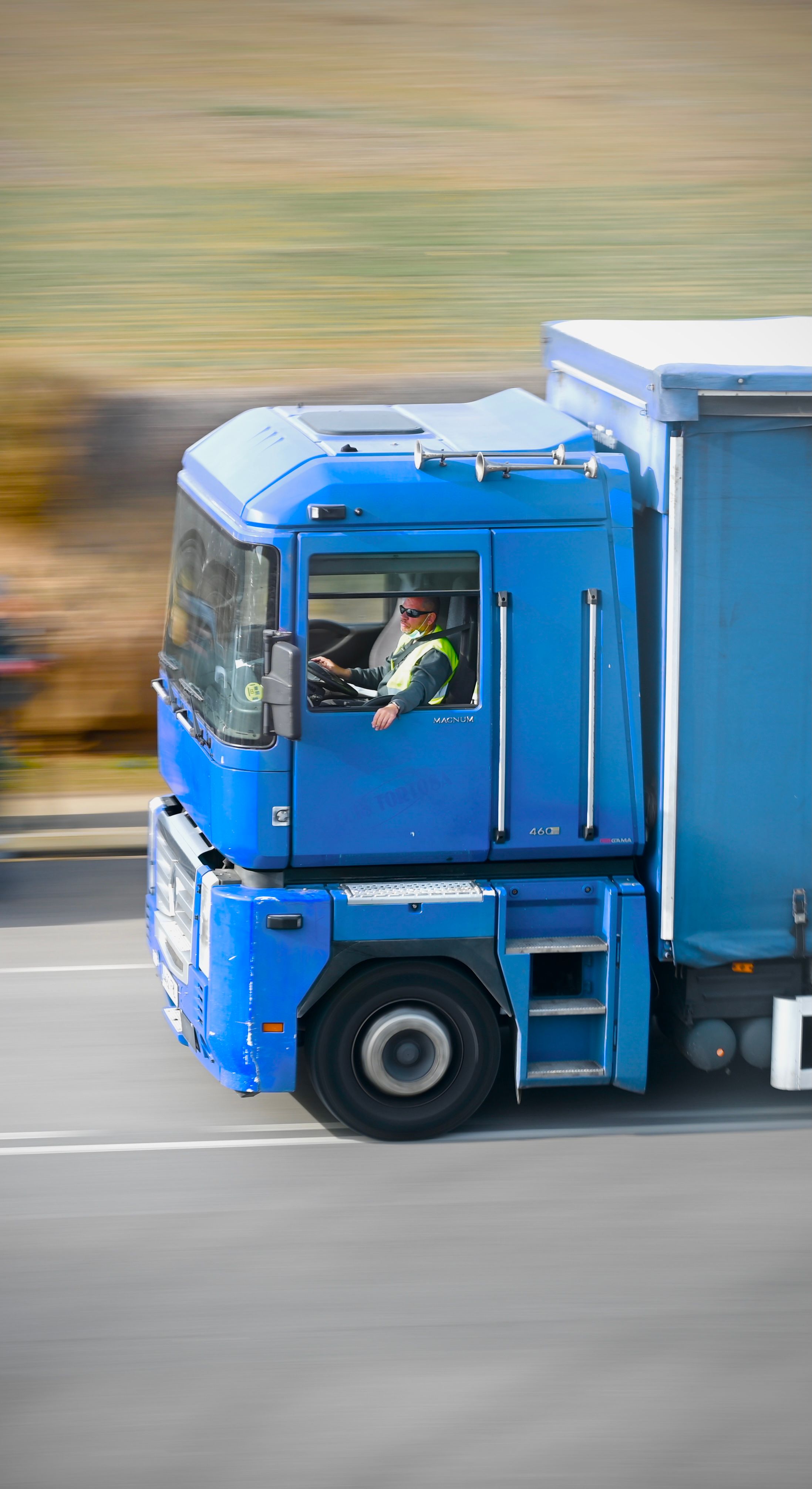
Shippers seeking a better cost–timeline balance than road alone, with multimodal routing that lowers inland spend on long corridors.
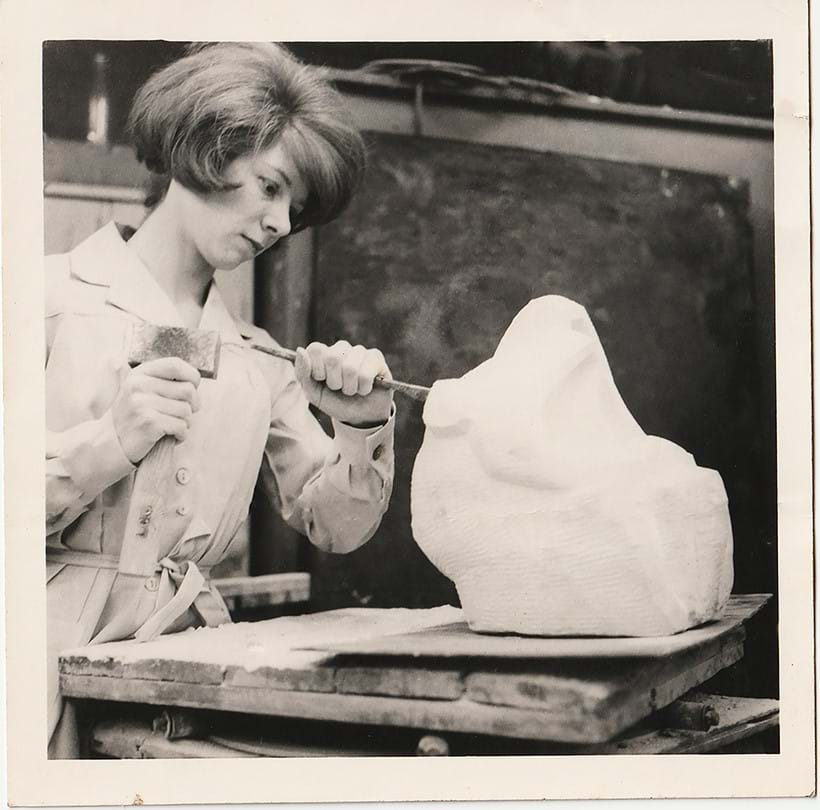

I just wanted to thank you for the quite special high standard of professionalism, & the personal kindness, you showed my daughter & I during our stay in India while engaged in work for I.C.M. Films. We returned to London without further problems. She is now back at boarding school & I am hard at work on my statue of de Gaulle which is to be unveiled by the Queen Mother, in the centre of London. We have very happy memories of your guiding kindness for which we were very grateful.
Sculptor

Once again, thank you for making a smooth entry and exit possible for the Postcards from Tibet crew and equipment. We shot wonderful footage in India and are now starting the post-production phase. We look forward to the possibility of shooting again in India and hope to work with you. Thank you again.
Producer - Lioness Films

It is with great pleasure and pleasing note we would like to reciprocate our appreciation for your valuable contribution to the making of a commercial “West Myth”. It will be not in any way an exaggeration to say that your high standard of skill in professional service and clear high standing with the Customs and other services involved in the matter of clearance is the key to our success in making the film. Thanking you for your excellent services for which we remain ever grateful.
Cinematographer - Nitrate Films Ltd.


We wished to let you know how much we appreciated your contribution to the making of Rudyard Kipling’s “The Jungle Book” in India. Shipping can always be troublesome but your professional service and clear high standing with the custom services made it possible for us to achieve the remarkable feat of clearing 46 tons of equipment in just two days! Your hard work and commitment has been very appreciated and we are happy to say that we would highly recommend your company to anyone considering working in India. Thank you both for your excellent services and friendship.
Producer - The Jungle Book
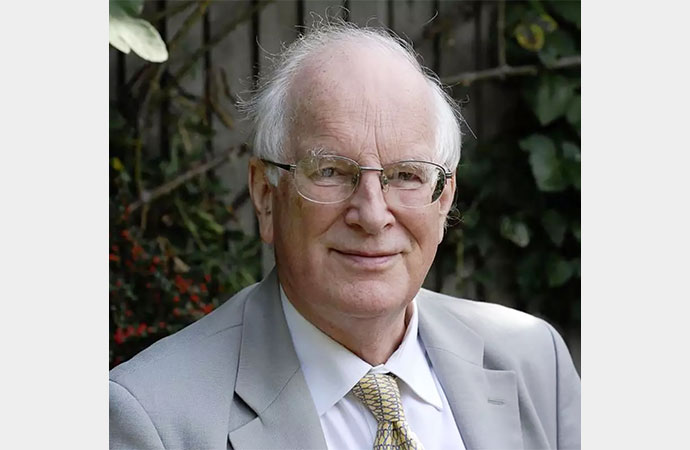

As I am now leaving the BBC, I thought I would drop you a line to wish you well for the future. I am grateful to you for all your efforts on behalf of the Eastern Service. You have helped us to keep in touch with our listeners – and have done so with dispatch and economy. I have also enjoyed our many meetings on my visits to Delhi and the hospitality and kindness which you have always shown me. With best wishes for the future.
Former Editor - BBC South Asian Services


The remarkable man at the BBC Delhi office, known to us as Bali Sahib, was a customs clearing agent who, in my time, would ride his scooter to the airport at any hour and in any weather — even to clear a single radio cassette bound for London. It was an essential service, delivered with dedication by a man we deeply admired.
British Journalist and Bureau Chief - BBC New Delhi


Over the years, we’ve brought some of our most complex international films to India, including Mission Impossible: Ghost Protocol, Slumdog Millionaire, Holy Smoke, and many others. Through shifting plans, evolving customs requirements, and demanding schedules, Bali And Company has been the one constant we’ve relied on. Their expertise, strong on-ground relationships, and ability to keep equipment moving smoothly have made a real difference. What truly sets them apart is their commitment. They treat every project as their own and stay involved until the very end. We can recommend Bali And Company without hesitation — they’ve earned our trust through years of consistent, thoughtful work.
Founder - India Take One Production
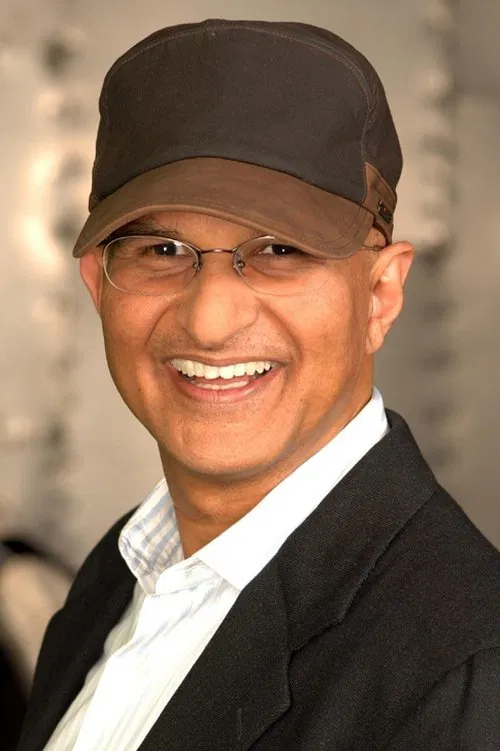

Across projects such as Viceroy’s House, Bride and Prejudice and Beecham House, filming across multiple regions in India with complex logistics and tight schedules, Bali And Company has been has been a consistently reliable partner. From handling period equipment and large-scale shipments to navigating permissions at heritage locations, they brought clarity and discipline to every stage. Beyond technical competence, they understand what delays mean to a production and how critical clear communication is when filming far from home. Their support has been central to how smoothly our India shoots have run.
Producer - IMDb


Productions like The Amazing Race demand flawless logistics, with equipment and crews moving between cities overnight and no margin for error. Bali And Company has handled this pressure with calm precision season after season, anticipating challenges and ensuring everything is in place before it’s needed.Across other sensitive and fast-paced projects as well, they’ve shown consistency, discretion, and reliability. It’s rare to find a logistics partner who can keep pace with the unpredictability of television, and that is why we’ve continued working with Bali And Company for many years.
Director - Earthcare Productions



Delve into concrete examples of our work, illustrating effective strategies and the impactful results produced.
You’ll get an email once a month. We’ll never share it.
.svg)


You’ll get an email once a month. We’ll never share it.
You’ll get an email once a month. We’ll never share it.
You’ll get an email once a month. We’ll never share it.
.svg)
.svg)
.svg)
.svg)


Bali And Company Logistics private Limited 2026 | All rights reserved.
You’ll get an email once a month. We’ll never share it.
Bali And Company Logistics private Limited 2026 | All rights reserved.

.jpg)




.jpg)
.svg)